Biography of Richard Ricardo
Richard F Ricardo, a renowned inventor, biophysicist, and independent researcher, has dedicated over 50 years of his life to pioneering studies in the field of quantum mechanics. With a specialized focus on harmonics and the fluctuating atomic energy levels within the quantum realm, he has made significant contributions to our understanding of life-supporting processes. Richard's groundbreaking discovery of graphene in aquachar as the optimal carrier for microbiomes has revolutionized biotechnology and nanomedicine, both on Earth and in the context of space exploration and colonization.
Richard Ricardo was born on February 26, 1954, in New York. He spent his formative years in Bayside, New York, where he developed a keen interest in mathematics and science. Richard's multicultural background, with his father Federico Ricardo being of Cuban nationality and his mother Ramona San Ho of Chinese nationality, instilled in him a diverse perspective and a thirst for knowledge.

His Richard Ricardo's academic background
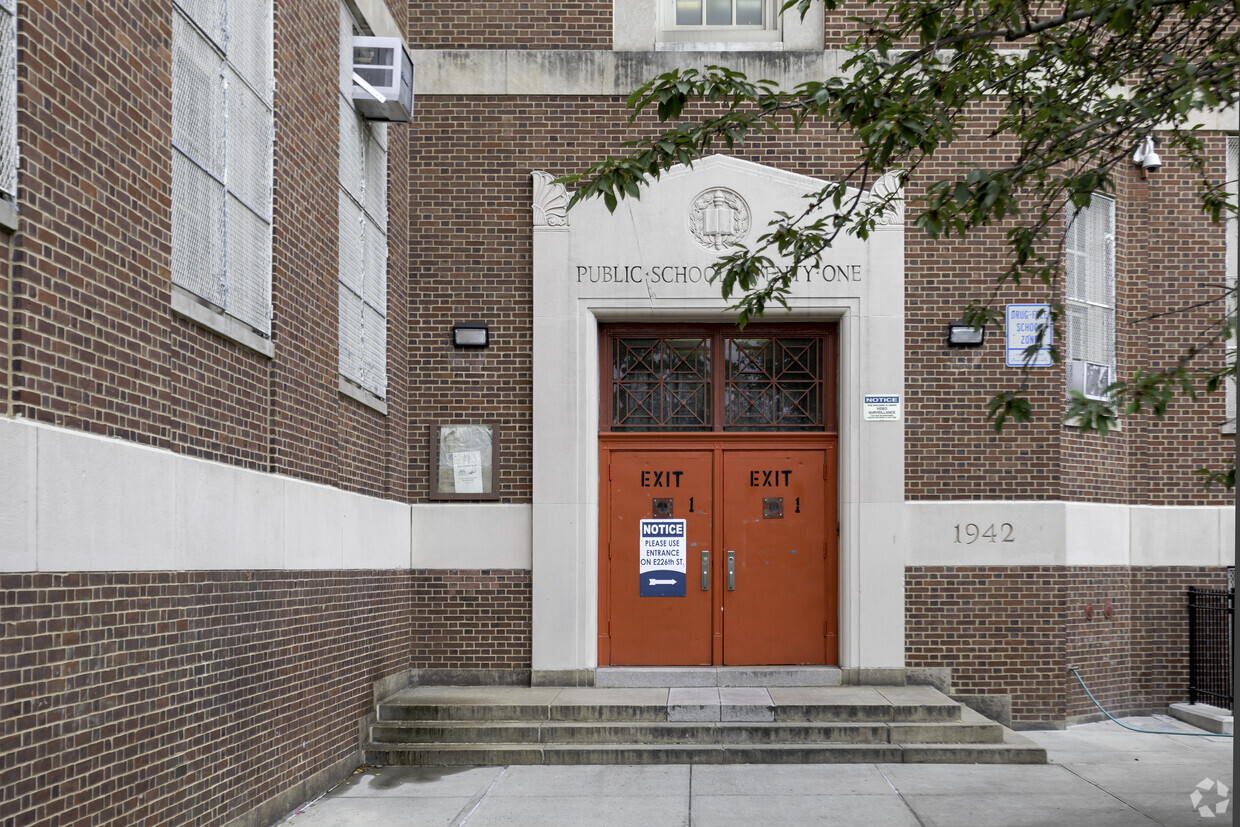
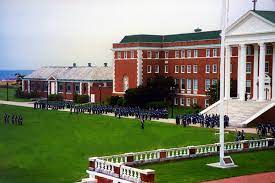
Richard Ricardo embarked on his academic journey with exceptional performance in mathematics and science from an early age. After excelling at PS 21 in the Bronx, he was awarded a full scholarship to start 5th grade at St. Patrick's Military Academy in Harriman, New York. He continued his education at New York La Salle Military Academy, where he achieved the prestigious title of the U.S. Speech and Debate National Champion in 1971-1972.
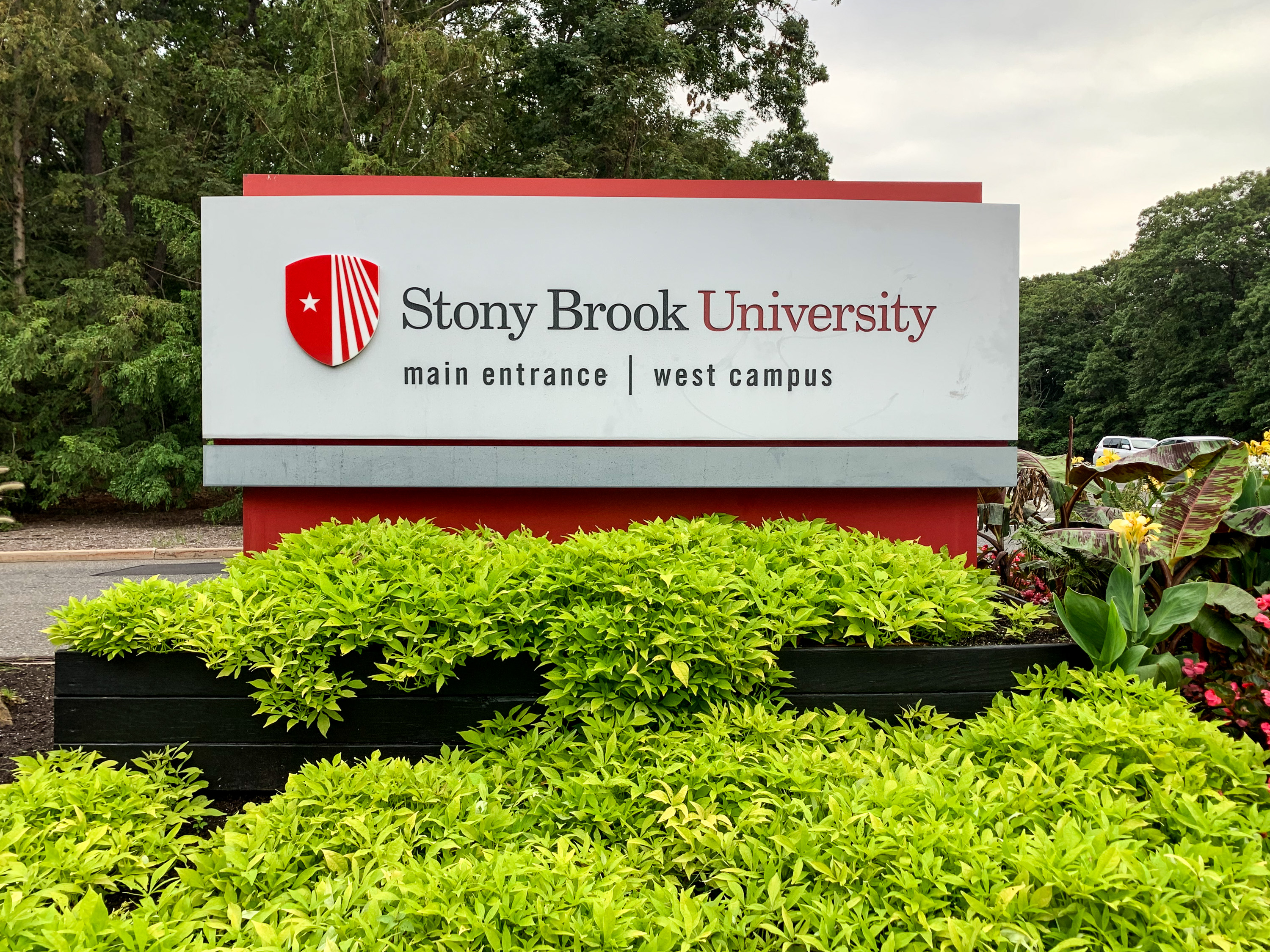
Subsequently, Richard enrolled at Stony Brook University in 1971 to study nuclear physics. There, he gained a solid foundation in this fundamental discipline. He furthered his education at Boston University, where he had the opportunity to work on the early stages of DARPA.Net, the precursor to the internet. This pioneering experience in communication technology laid the groundwork for his future career.
Richard also expanded his knowledge by studying architecture at Brooklyn College. During this period, he delved into the field of assembly language under the guidance of Professor Kip Irvine, leading to his contributions to the development of the textbook "Introduction to Assembly Language."
Richard Ricardo's diverse academic preparation, spanning fields such as nuclear physics, architecture, and information technology, laid the foundation for his future success in areas such as cybersecurity, quantum biology, and nanomedicine. This wide range of knowledge and experiences provided him with a solid grounding to become a renowned independent researcher and an innovator in multiple scientific disciplines.
His experience with graphene
Richard Ricardo and his team explored sustainable solutions for interplanetary travel and made a remarkable discovery in the field of graphene. They identified a variant called Grafinos, which possesses unique properties. Grafinos, an ultra-thin and resilient material, shows promise in water purification and environmental preservation. Its exceptional structure enables efficient filtration, effectively removing contaminants and harmful substances from water. Moreover, Grafinos' strength makes it suitable for large-scale purification systems and wastewater treatment technologies. This groundbreaking application of Grafinos not only helps preserve our water resources but also contributes to a cleaner and more sustainable planet.